
Trends — Culture • Lifestyle • Future
Trends — Culture • Lifestyle • Future
Luxury has long relied on limited access and careful curation. Selective retail and controlled experiences helped brands protect their value. Today, digital platforms have reshaped how people discover, engage with, and judge brands. The challenge is no longer how to stay hidden, but how to stay desirable and relevant in a connected world.
At its core, luxury is not just about price. It is about quality, care, and intention. In a digital age, where access is immediate, these qualities matter even more. Digital tools, when used well, do not weaken luxury. Instead, they can help brands express what makes them special more clearly.
A well-known example is Burberry’s social retail store in Shenzhen. Rather than using technology as a novelty, Burberry designed the entire retail journey around digital engagement. Customers earn access through the brand’s app, unlocking exclusive spaces and experiences. This approach does not make the brand feel common. Instead, it creates a more personal and rewarding experience, showing that exclusivity can still exist in a digital environment.
This shift is especially important in the world of luxury interiors and home design, where decisions are often expensive and long-term. Brands such as B&B Italia and Flos use digital tools to support confident decision-making. Configurators and augmented reality allow customers to explore materials, finishes and scale with greater clarity, reducing uncertainty while still preserving the value of in-person experience.
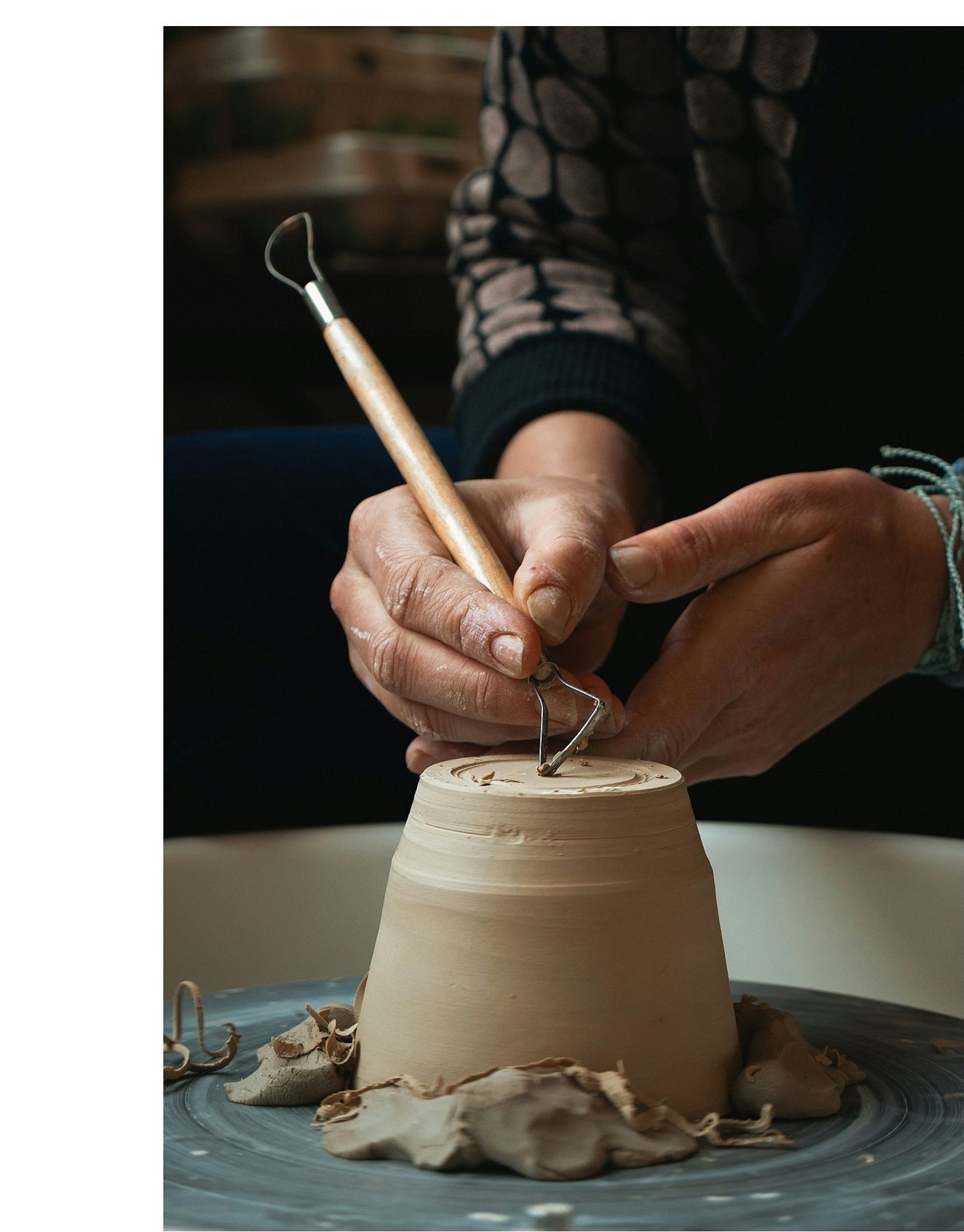
Digital platforms have also opened new opportunities for artisans and craftspeople. Makers who once relied on galleries or word of mouth can now share their process directly with a global audience. Videos showing hands shaping clay or weaving fibres highlight the time, skills, and care involved. In a world dominated by automation, this human touch becomes even more valuable.
For luxury brands, this presents a clear opportunity. Digital is no longer optional, but it must be used with care. Brands need to avoid becoming louder or more accessible than intended. Instead, the goal should be clarity and connection — ensuring the right audience understands the value behind what is being offered.
This is where brand creators and engagement specialists play an important role. Their task is not simply to design visuals, but to help brands create coherent, meaningful journeys across physical and digital touchpoints. This includes helping brands tell their story clearly, designing experiences that feel natural across platforms, and using technology to build trust rather than overwhelm.
The future of luxury lies in this balance. Digital should not replace heritage or craftsmanship. It should help reveal them. When used thoughtfully, technology allows luxury brands to feel more human, more personal, and more relevant, without losing the sense of care and rarity that defines them.
